
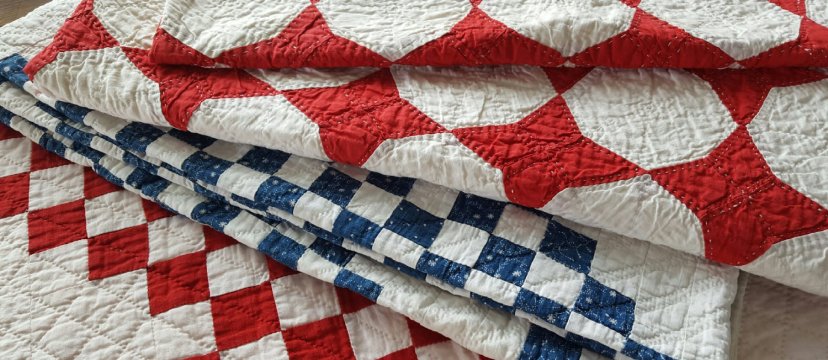
Table of Contents
- Why Collectors Seek Out Unique Handmade Vintage Quilts for Sale
- How to Identify a Vintage Quilt: Patterns, Periods, and Provenance
- Vintage Quilt Buying Guide: Condition, Size, and Value Factors
- The Stories Behind the Stitches: Depression-Era FeedSack and 19th centuryAntique Quilts
- How to Care for a Vintage Quilt: Cleaning, Storage, and Display
- Buying Unique Handmade Vintage Quilts for Sale: Sellers, Shipping, and Returns
- Conclusion
- Frequently Asked Questions
Last Updated: October 17, 2026
Why Collectors Seek Out Unique Handmade Vintage Quilts for Sale
The hunt for unique handmade American madevintage quilts for sale starts with a simple truth: no two are alike. At Vintage Blessings, we have spent nearly three decades sourcing these textiles from estate auctions and private collections, and we have watched the market shift from casual interest to serious demand.
An American made, authentic vintage quilt is a pre-owned textile quilt made by hand, dated by its fabric, pattern, and stitching rather than by a printed label. That definition matters because it sets the bar for authenticity, and authenticity is where most buyers get burned.
Below, we will show you exactly how to spot a genuine piece, judge its condition, and buy with confidence.
How to Identify a Vintage Quilt: Patterns, Periods, and Provenance
Identifying a vintage quilt means reading three things together: the stitches, the materials, and the paper trail. No single clue proves age, but three matching clues usually do.
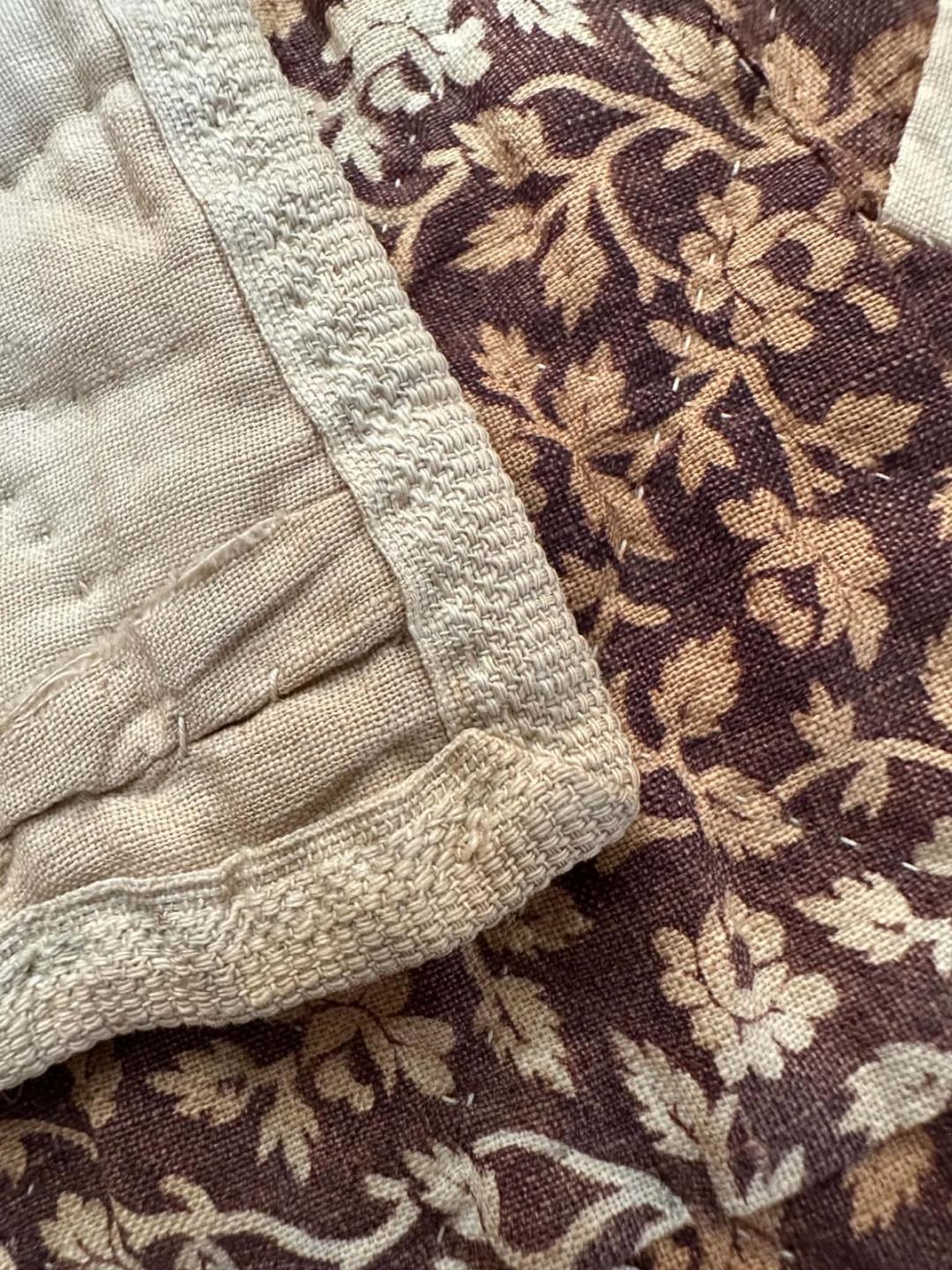
Step-by-step guide for examining hand-stitched binding and fabric patterns to authenticate vintage quilts.
Reading the Stitches:
Hand-stitched one of a kind American quilts typically show small, slightly uneven stitches although master quilters can be so small and even it’s almost hard to tell that it’s handmade without a thorough exam.
A common mistake is assuming every old-looking quilt is handmade. Plenty of mid-century quilts were machine-pieced and hand-quilted, and that hybrid construction is perfectly legitimate.
Stitch density is another tell. Most hand quilters work roughly 6 to 10 stitches per inch; very fine 19th-century examples can run 10 to 14
Reading the Materials: Fabric, Thread, Batting, and Selvedge
Fabric and thread date a quilt as reliably as pattern. Look for these markers:
- Thread type. Cotton thread was standard in the 19th and early 20th centuries; polyester thread became common after the 1960s. A shiny, strong synthetic thread on an “1800s” quilt is a red flag.
- Batting. Cotton batting, wool, and later polyester each behave differently. A thin, even cotton batt with visible seed flecks suggests older material; a thick, uniform synthetic batt suggests a modern piece.
- Dyes and color. Early synthetic dyes (aniline dyes) appeared in the mid-to-late 1800s and can fade or bleed differently than modern dyes. Faded, slightly irregular color across a quilt is often a sign of age, while crisp, uniform color can indicate newer fabric.(but not always!)
- Fabric width. Pre-1900 fabrics were commonly woven narrower (often around 36 inches), so older quilts show more piecing to make large blocks. Wide, seamless backing panels are more typical of later production.
Dating by Pattern: From Mariner’s Compass to Postage Stamp
Pattern is a useful dating tool when you know what to look for. The Mariner’s Compass and Album designs were popular in the 1800s, while with tiny blocks and crosses and losses layouts became common in the late 19th and early 20th centuries.
Pattern alone is never proof. Reproduction patterns are widely made today, so treat pattern as one clue among several and always pair it with the material and stitch evidence above.
Provenance: What Counts as Real Documentation
Provenance, meaning the documented history of ownership, is the strongest evidence you can get. Ask the seller what they know about the maker and the estate, and ask what documentation comes with the piece. Useful provenance includes:
- A written maker attribution with family name and location
- Estate or auction records showing the quilt’s prior ownership
- Photographs of the quilt in its original home or with the maker
- A dated appraisal or conservation report from a qualified textile appraiser
Verbal history (“it came from my grandmother’s farm”) is common and often true, but it is not documentation. Treat it as a starting point, not proof.
Vintage Quilt Buying Guide: Condition, Size, and Value Factors
Condition and size decide value more than age does. A rare pattern in poor condition sells for far less than a common pattern in excellent shape. This section gives you a grading scale, the value factors that move price, and the measurements you need before you commit.
Condition Grading and What Wear Really Means
Grade a quilt before you buy it. Use this checklist and assign a grade:
- Check for stains, including fold lines and the binding
- Smell the fabric for mildew or smoke
- Look for shattered fabric, where cotton splits along the fold
Confirm the quilt top and backing are the same age. (“generational” Quilts will have an older Quilt top that was assembled into a Quilt at a later date.)
- Note any repairs and whether they used period-correct fabric
- Inspect the edges for fraying or missing binding
A practical four-tier scale most dealers use:
- Mint / excellent. No visible stains, no repairs, strong fabric, original binding intact. Rare in pre-1950 quilts.
- Very good. Minor wear, perhaps light fading or one small repair, structurally sound and display-ready.
- Good. Noticeable fading, a few stains, or older repairs, but no structural failure. Suitable for use with care.
- Fair / as-is. Shattering, holes, major staining, or detached backing. Buy for study, salvage, or wall display, not for use.
Light wear is normal and often proves the quilt was used and loved. Heavy shattering or large holes change how you display it, not whether you can enjoy it. Ask the seller to grade the quilt in writing and to send close-ups of every flaw they mention.
The Five Value Factors
Asking prices on listings rarely explain why one quilt costs more than another. In practice, value moves on five factors:
Sign up and get first notices on new finds & sales! →
- Age and period. Earlier is not automatically better. A well-preserved 1930s quilt in a desirable pattern can outsell a worn 1880s piece.
- Rarity of pattern. Unusual designs and documented maker attributions command a premium over common patterns.
- Condition. The single largest discount factor. Structural damage can cut value sharply compared with a comparable quilt in very good condition.
- Size. King and queen-size quilts in good condition are scarcer than twin or full sizes and often price higher.
- Provenance. A documented maker, estate, or exhibition history adds value that an undocumented quilt of the same pattern does not carry.
Use these factors to compare listings rather than comparing raw asking prices. Two quilts at the same price can differ enormously in real value once condition and provenance are weighed.
Measurements, Bed Fit, and Display Options
Measure before you commit. Standard bed dimensions help you judge fit:
- Crib: roughly 36 by 50 inches
- Throw: roughly 50 by 65 inches
- Twin: mattress about 38 by 75 inches; a quilt of roughly 68 by 88 inches gives a modest drop
- Full: mattress about 54 by 75 inches; a quilt of roughly 80 by 90 inches covers with overhang
- Queen: mattress about 60 by 80 inches; a quilt of roughly 90 by 95 inches gives a standard drop
- King: mattress about 76 by 80 inches; a quilt of roughly 105 by 95 inches gives a standard drop
Because most vintage quilts were made for full-size beds, it’s easy to still use them on your larger bed by having an Because most vintage quilts were made for full-size beds, it’s easy to still use them on your larger bed by having a comforter or plain Quilt underneath.
Allow extra length if you want a pillow tuck or a deeper drop. For wall display, a quilt sleeve sewn to the back spreads the weight evenly and protects the stitching. Interior designers often choose smaller pieces for statement walls rather than full-size beds.
The Stories Behind the Stitches: Depression-Era FeedSack and 19th centuryAntique Quilts
Two major categories define most collections: Depression-era feedsack quilts and 19th-century antique quilts. The first tells a story of thrift and ingenuity, when families turned flour and feed sacks into patchwork bedding.
Many buyers ask us how to tell them apart. Feed-sack quilts usually date from the 1930s and 1950s and lean toward floral fabric and softer colors. Feed sack prints can be found in books and also on the Internet.
Antique quilts from the 1800s tend to show tighter geometry, richer and darker dyes. An experienced Quilt seller can tell you the difference.
How to Care for a Vintage Quilt: Cleaning, Storage, and Display
Many 20th century Quilts were made to be used and enjoyed. We have found them to be very machine washable if using a front load machine, without an agitator. Use the gentle cycle and dry flat.(we like to use an unused guest bed for this.) 18th and 19th century Quilt is another matter altogether. It can be very risky to try to launder them. There is an old saying, “if you feel like you need to wash that early Quilt, you need to lie down until the feeling passes!”. We find that airing them out on a spring to fall day works wonders, especially if you have green grass that you can lie the Quilt on. Green grass is one of the best deodorizers that there is.
Store quilts rolled rather than folded when possible, using an acid-free tube and a cotton cover. If you must fold, refold along different lines every few months to prevent permanent creases. Keep them out of direct sunlight, which fades natural dyes quickly.
Buying Unique Handmade Vintage Quilts for Sale: Sellers, Shipping, and Returns
Buying online is where most collectors hesitate, and for good reason. Photos hide odors, stains, and weak fabric.
When you compare sellers and marketplaces, weigh four things:
|
What to Check |
Why It Matters |
What to Ask |
|---|---|---|
|
Authentication |
Confirms era and handmade construction |
most Quilts come without provenance so it’s important to know, how experienced is your seller? |
|
Condition report |
Reveals hidden damage |
Can you send close-ups of stains and repairs? |
|
Shipping method |
Protects a fragile textile |
How is the quilt packed and insured or is there guaranteed arrival by the seller? |
|
Return policy |
Limits your risk |
What does the satisfaction guarantee cover? |
Shipping deserves special attention. A quilt should arrive rolled or flat-packed in tissue with a temporary plastic covering, with tracked shipping. Ask about delivery timelines before you buy, especially for gifts.
This is where working with a specialist helps. Vintage Blessings examines and gently cleans most Quilts before they are listed, and our satisfaction guarantee means you can return a quilt that does not match our thorough description.
Conclusion
Finding the right quilt takes patience, but the payoff is a piece of history you can live with every day. Start with authentication, grade the condition honestly, and buy only from sellers who answer your questions in detail. Vintage Blessings offers a curated collection of rare, one-of-a-kind quilts from the 19th century through the 1950s, each one examined and thoroughly described with photos, showing the good and the bad!
Frequently Asked Questions
How can I tell if a quilt is vintage or antique?
A quilt is generally considered vintage if it was made between the 1940s and 1970s, while antique quilts date to before the 1940s. Look for clues like tight hand stitching, older fabric prints, and a maker’s mark or provenance note. At Vintage Blessings, each piece is examined and dated using construction details and fabric history, so you know exactly which era you’re buying.
What should I look for when buying a vintage quilt online?
Focus on four things: construction (tightly hand-stitched vs. large, uneven hand stitching, condition (stains, fading, worn patches), dimensions (measure your bed or wall first), and provenance (any documentation of age or maker). Ask the seller for close-up photos of the stitching, backing, and any flaws. A trustworthy seller will happily provide extra images and details, and a satisfaction guarantee gives you a safety net.
How do I know whether a vintage quilt is handmade?
Turn the quilt over. Handmade quilts show small, slightly irregular stitches on the back, while machine quilting looks uniform and tight. Check the binding and the quilt top for tiny variations in pattern and fabric, which are common in hand-pieced patchwork. Hand-stitched quilts often have a softer, less rigid drape, too. At Vintage Blessings, every quilt is inspected for these details before it’s listed.
How should I clean and care for a vintage quilt?
For most antique quilts, airing out or gentle vacuuming with a mesh screen is safer than washing. With vintage quilts, use cool water and a mild, pH-neutral soap, then air-dry flat away from direct sunlight. Store quilts rolled or folded with acid-free tissue, and avoid plastic bags after transporting. Vintage Blessings gently cleans most vintage Quilts before shipping.